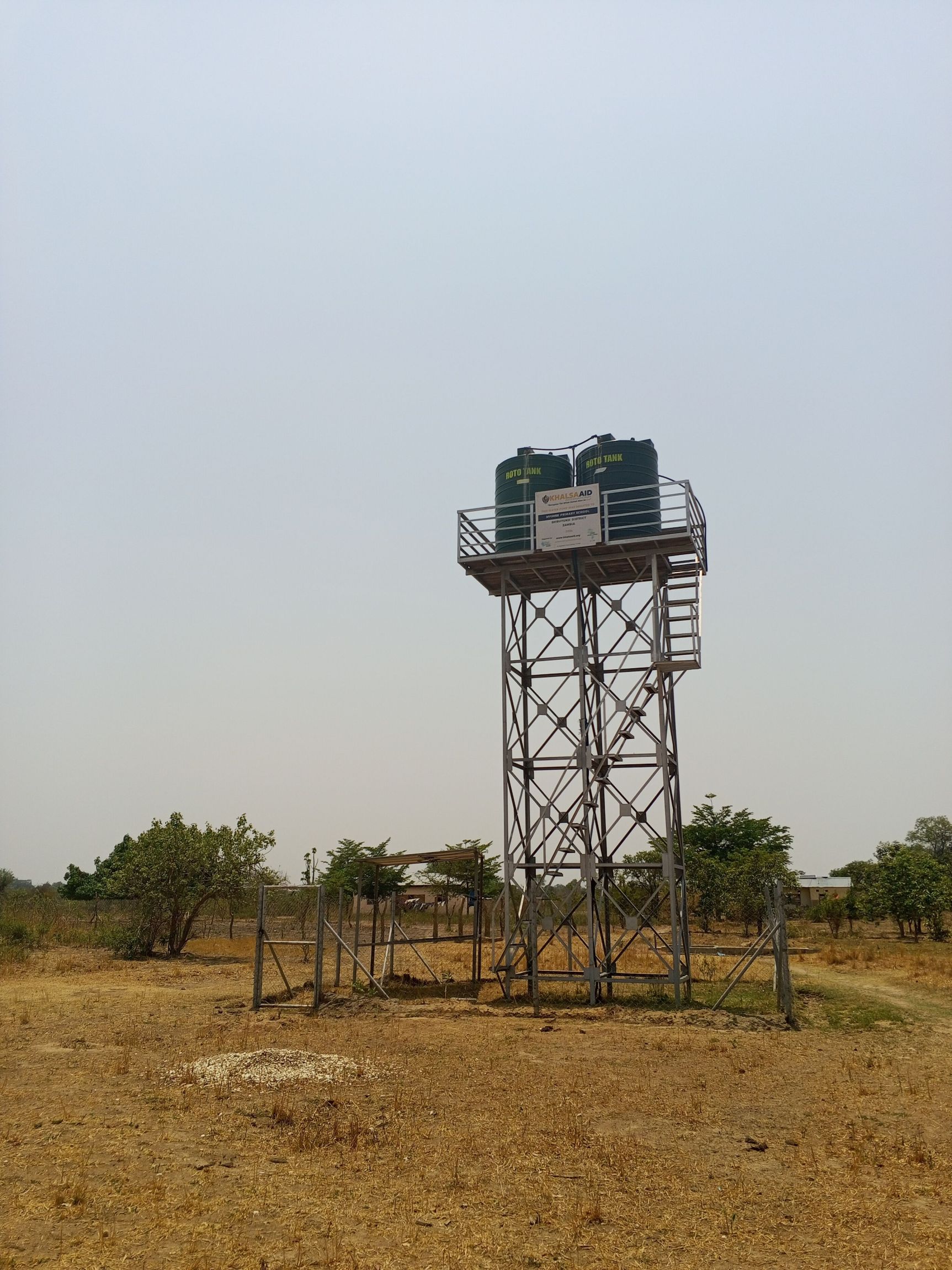
Baseline Study for All Rural Schools and Healthcare Facilities in Central Province, Zambia (Uptime Global)
As part of the SafeManzi programme, Uptime Global, in partnership with the Government of Zambia, is planning to scale-up the delivery of professional water services to schools and healthcare facilities in 10 districts in Central Province.
Aquaquest Limited was contracted to carry out the baseline field surveys and data collection, using mWater tools. All public schools and HCFs with no public water system access were visited and on-site water-point surveys were conducted at all identified institutions, in adherence to ethical standards and training protocols. Datasets were reviewed, cleaned and validated by Aquaquest and submitted to the Client. .
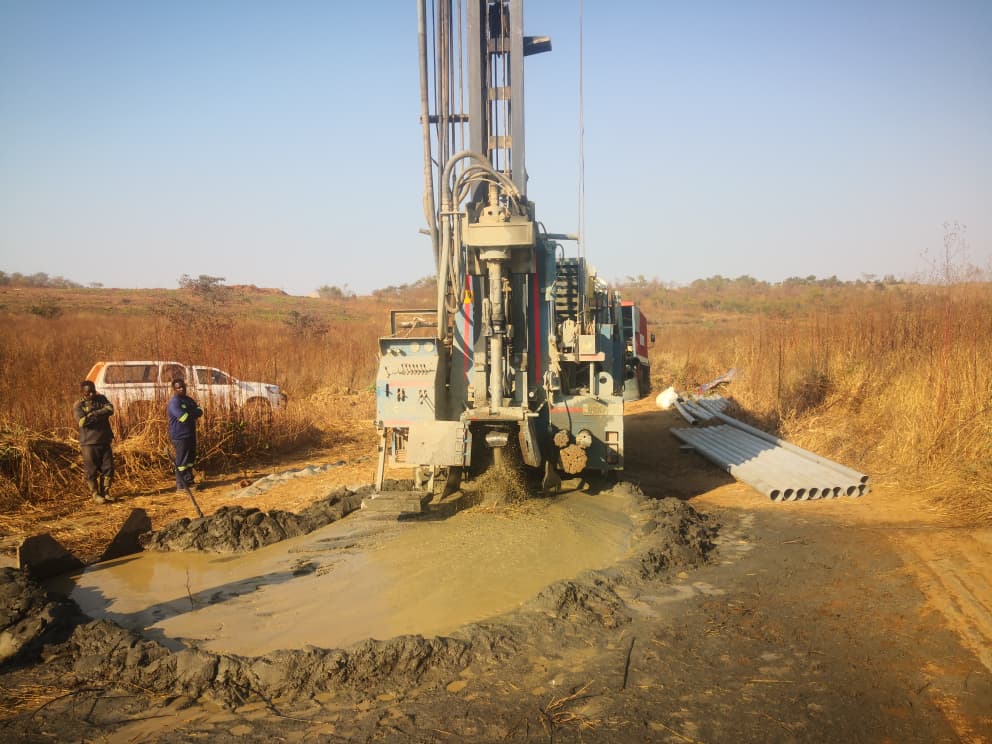
Hydrological Study, Geophysical Survey, Drilling and Test Pumping Supervision at Velos Mine near Chongwe
Aquaquest was retained by Velos Enterprises Ltd to undertake a water resources assessment and hydrological study for a new mining development near Chongwe town. As a follow-up, Aquaquest performed an extensive geophysical survey, resulting in the selection of the most suitable sites for borehole drilling.
Aquaquest supervised the drilling and test pumping of 4 successful boreholes, which will be used to supply the various mining operations on site.
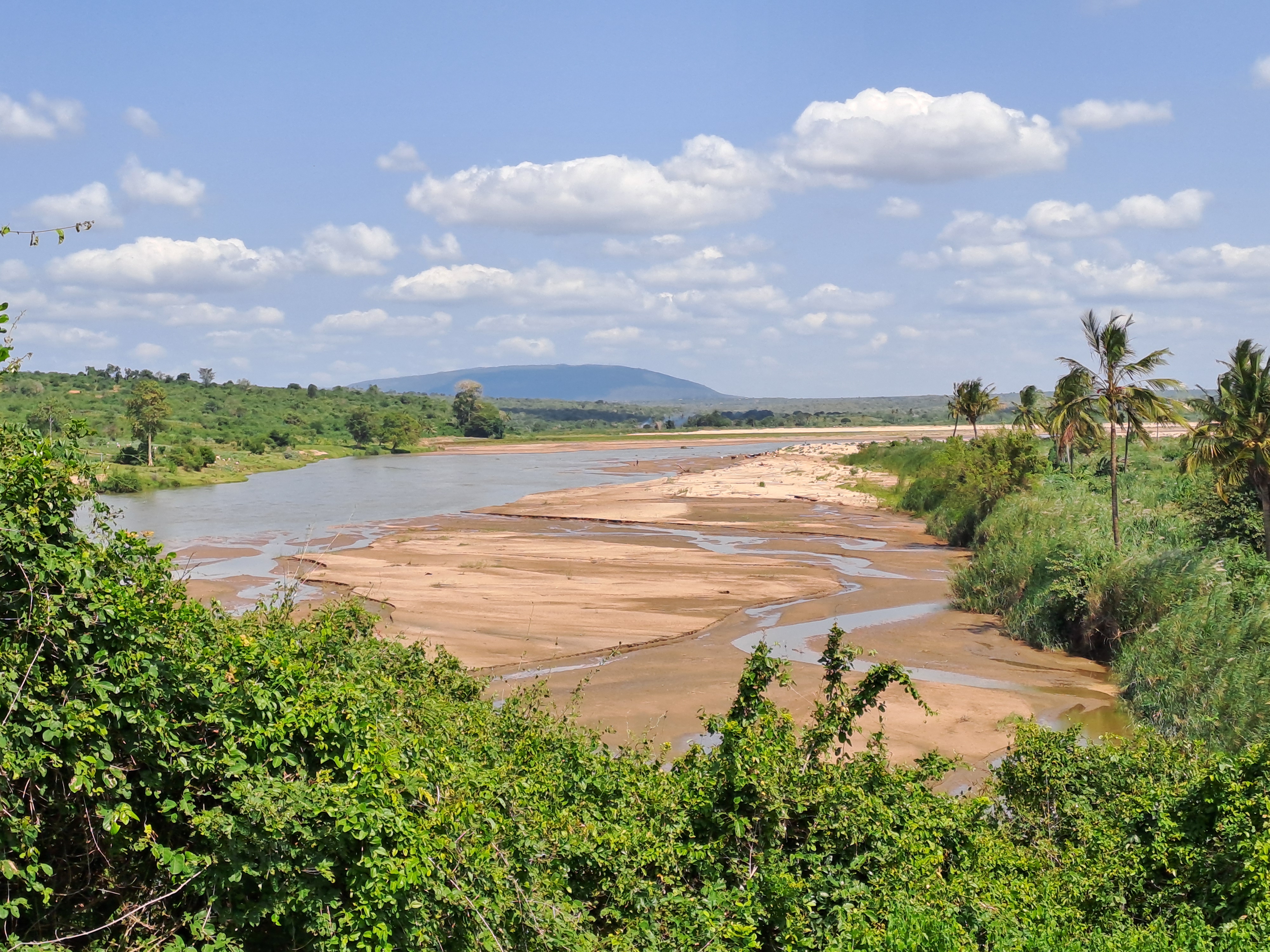
Sabaki Water Resources Study – Baricho Aquifer, Kenya
Sabaki Water Company intends to expand the existing production capacity of 112,000m3/day from the Baricho Wellfield with an additional abstraction of at least 80,000m3/day. A combined groundwater abstraction of about 200,000 m3/day is envisaged from 12 existing and 12 new boreholes. The main objective of the assignment is to assess the feasibility of this additional abstraction, in terms of water resources availability and sustainability.
Aquaquest is responsible for the overall coordination of the services, and all water resources-related outputs, including Hydrogeological, Geophysical, Water Quality and Hydrological assessments, as well as the development of a new groundwater model.
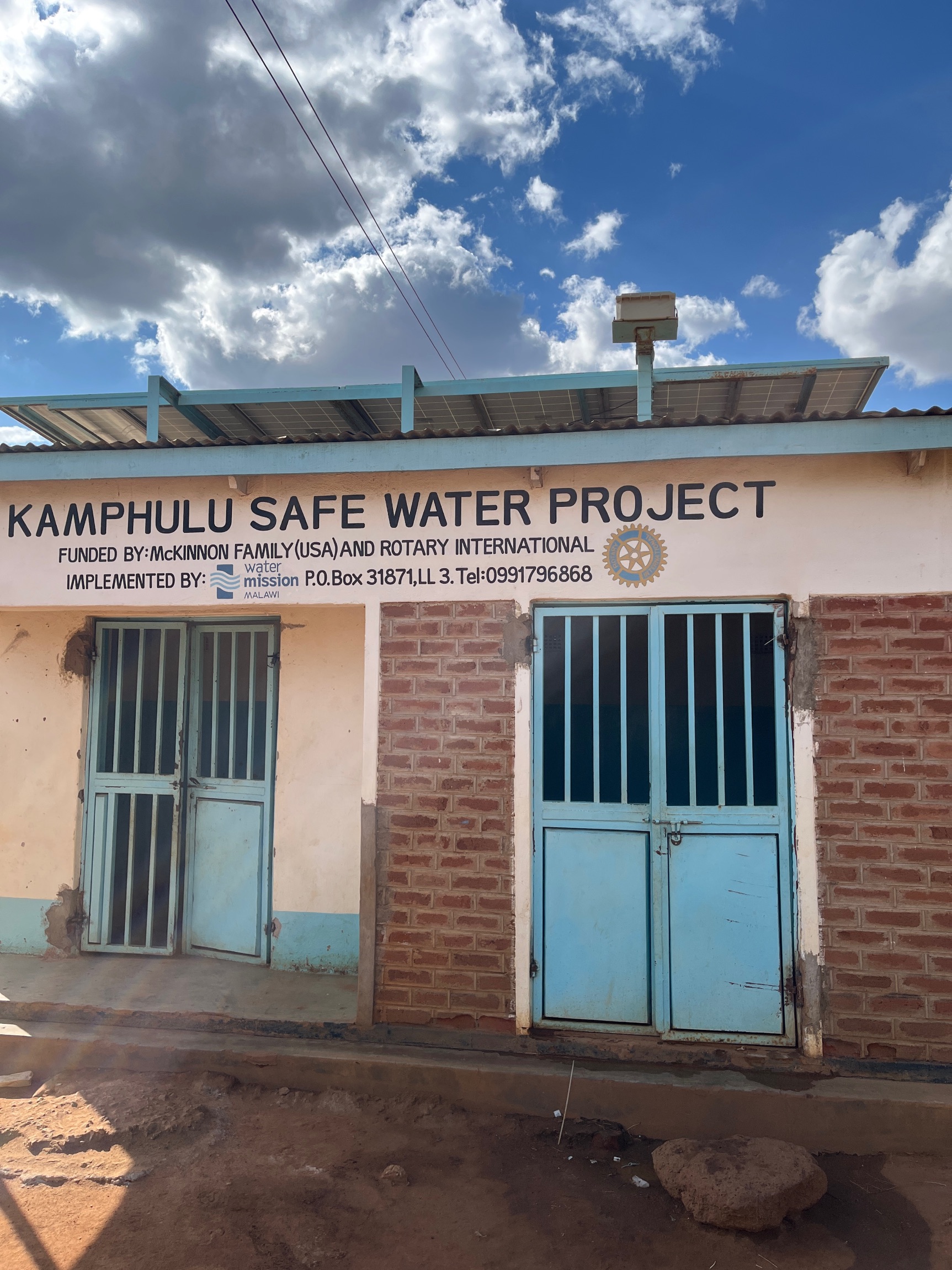
WASH Surveys Malawi and Zambia (Uptime Global)
Uptime Global through WE Consult Uganda retained the services of Aquaquest to verify WASH service delivery by service providers as part as a new output based contracting approach. The objective of the task is to verify data submitted by partners of UPTIME Global from various countries, who receive O&M grants annually.
The objective of the work performed by Aquaquest was to verify the existence of waterpoints and corresponding breakdown rates, user payments, distributed water volumes, and service populations as reported by various water service providers in Zambia and Malawi. Water users and managers are interviewed on the above-mentioned topics.
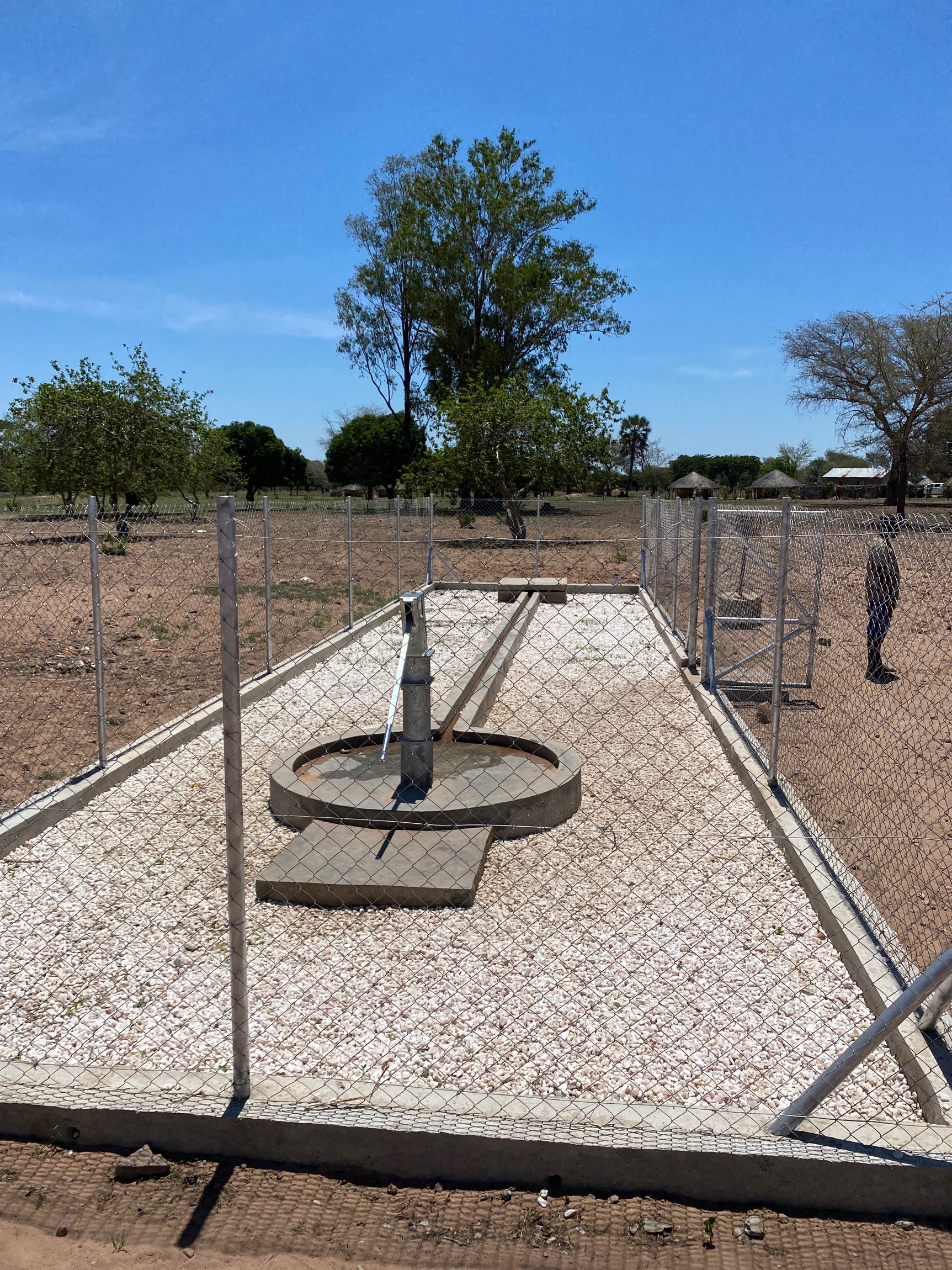
Development of 50 new and 50 rehabilitated existing handpump boreholes under the TNC EKNA project
Aquaquest was contracted as the Architectural and Engineering Firm for Borehole Site Studies and Supervision of Borehole Drilling, Installation and Rehabilitation Works by The Nature Conservancy (TNC), the implementer of the USAID funded Eastern Kafue Nature Alliance Project (EKNA).The project aims to support local communities within the game management areas around Kafue National Park, in order to reduce deforestation and improve human-wild life interactions.
Aquaquest’s role is to assist the Project with the selection of suitable drilling sites, through geophysical surveys and guide and supervise the construction and rehabilitation of handpump boreholes in the development zones of Namwala, Nkala and Lunga Luswishi Game Management Areas, Eastern Kafue area. Within this framework, the Aquaquest is expected to supervise the construction of 50 new handpump boreholes, as well as the rehabilitation of 50 existing handpump boreholes.
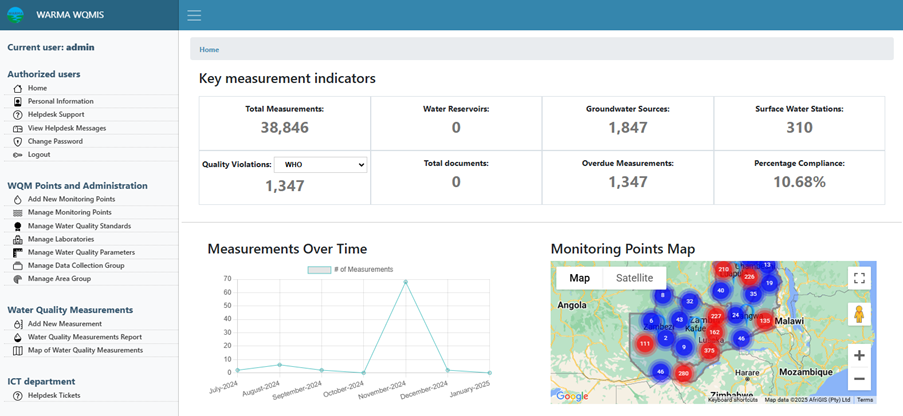
Development of a Water Quality Information Management system for WARMA
Aquaquest, with CoreLink as a specialized subcontractor, designed, developed, tested and provided training on a web-based Water Quality Management Information System (WQMIS) for the Water Resources Management Authority (WARMA). The system monitors water quality and other input measurements, integrates the results into a GIS environment, generates periodical and special-purpose water quality reports, and ensures that all data is stored safely in an online environment. An intuitive dashboard provides a comprehensive overview of crucial water quality measurement indicators.
Aquaquest was in charge of overall management and quality control, data input, expertise on water quality parameters, stakeholder consultations, organization of workshops and feedback meetings, coordination of classroom and on-the-job training activities, and system trials.
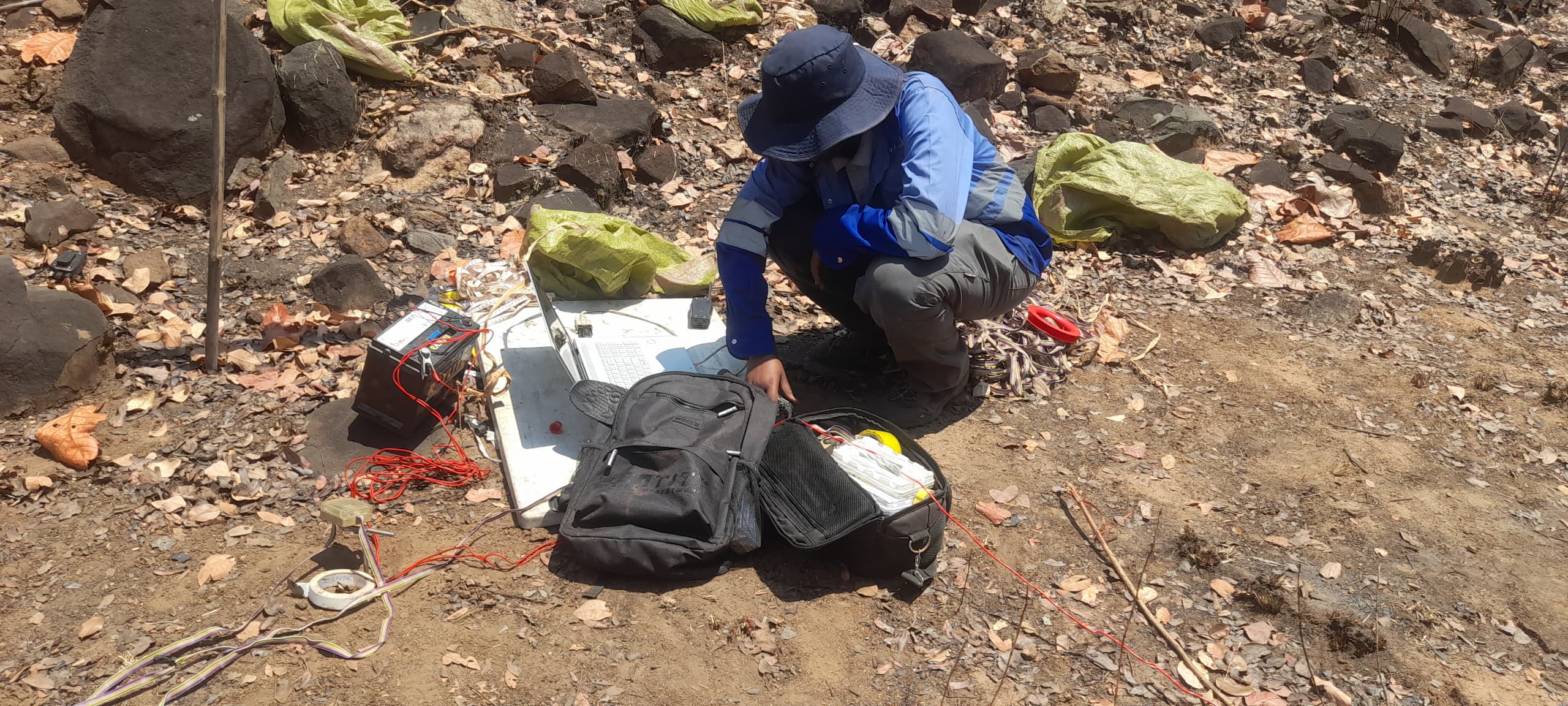
Electrical Resistivity Tomography (ERT) survey at two project locations in Luchenene and Mutinondo (RANKIN Engineering)
Aquaquest was contracted by Ranking Engineering Consultants to conduct an ERT survey at two locations considered for development of hydropower station.
The work consisted of two short ERT profiles of 200m at each location to determine expected lithology and specifically identify depth to bedrock for constructions of the power stations and inlet works. The work was concluded with the analysis of the data using RES2DINV and a summary report.
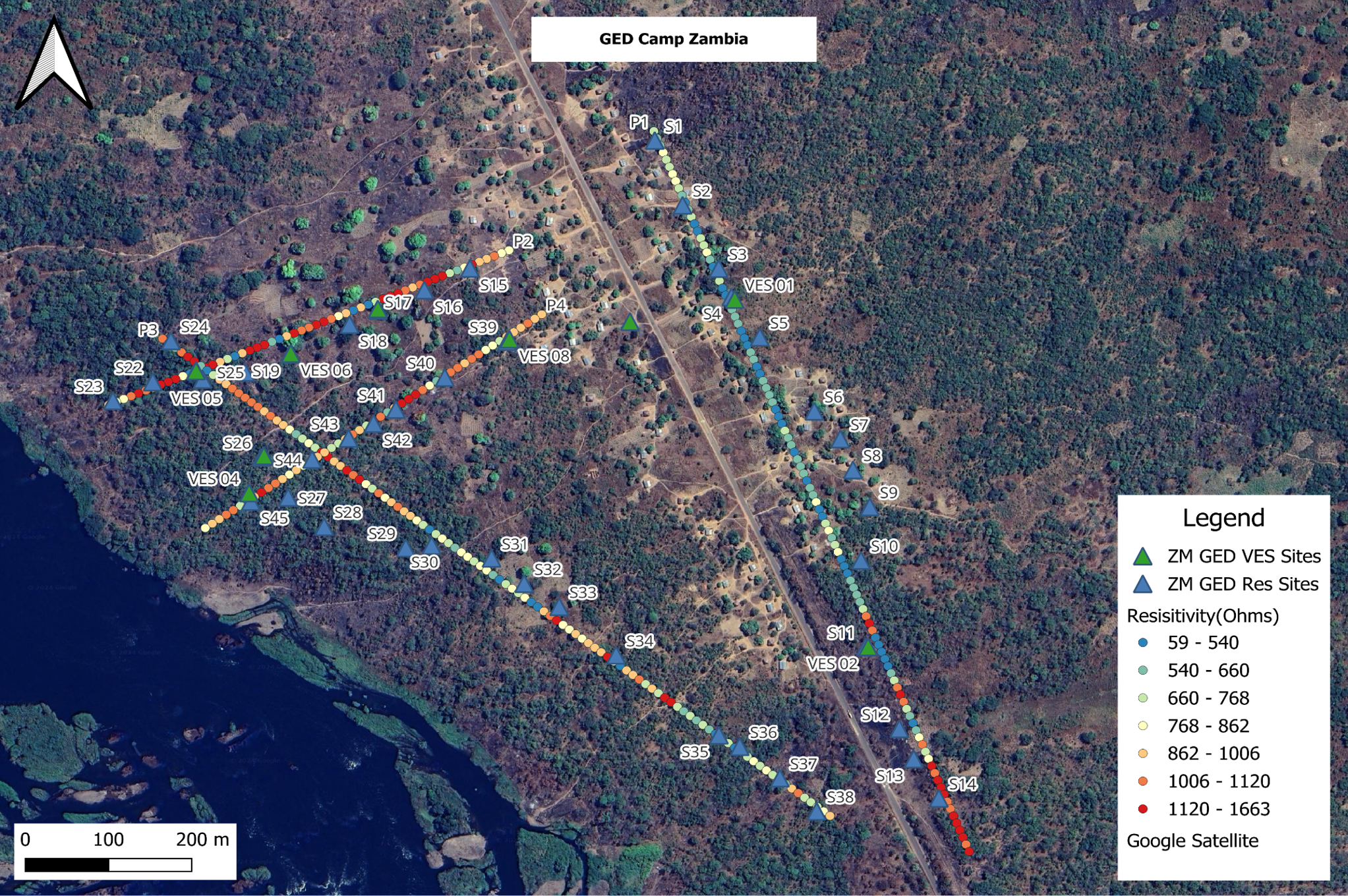
Geophysical surveys for the Kasomeno-Mwenda Toll Road (Ranking Engineering)
Aquaquest was contracted by Ranking Engineering Consultants to conduct geophysical surveys at 6 locations for the Kasomeno-Mwenda Toll Road (KMTR) project. The geophysical surveys were conducted at 3 locations on either sides of the border in order to identify suitable locations for developing boreholes for borders posts, toll gate plazas and staff housing.
For each location a desk study was conducted followed by a resistivity survey. The results were analysed and sites were ranked to identify the most promising locations for intersecting groundwater. The results were summarised in a report.
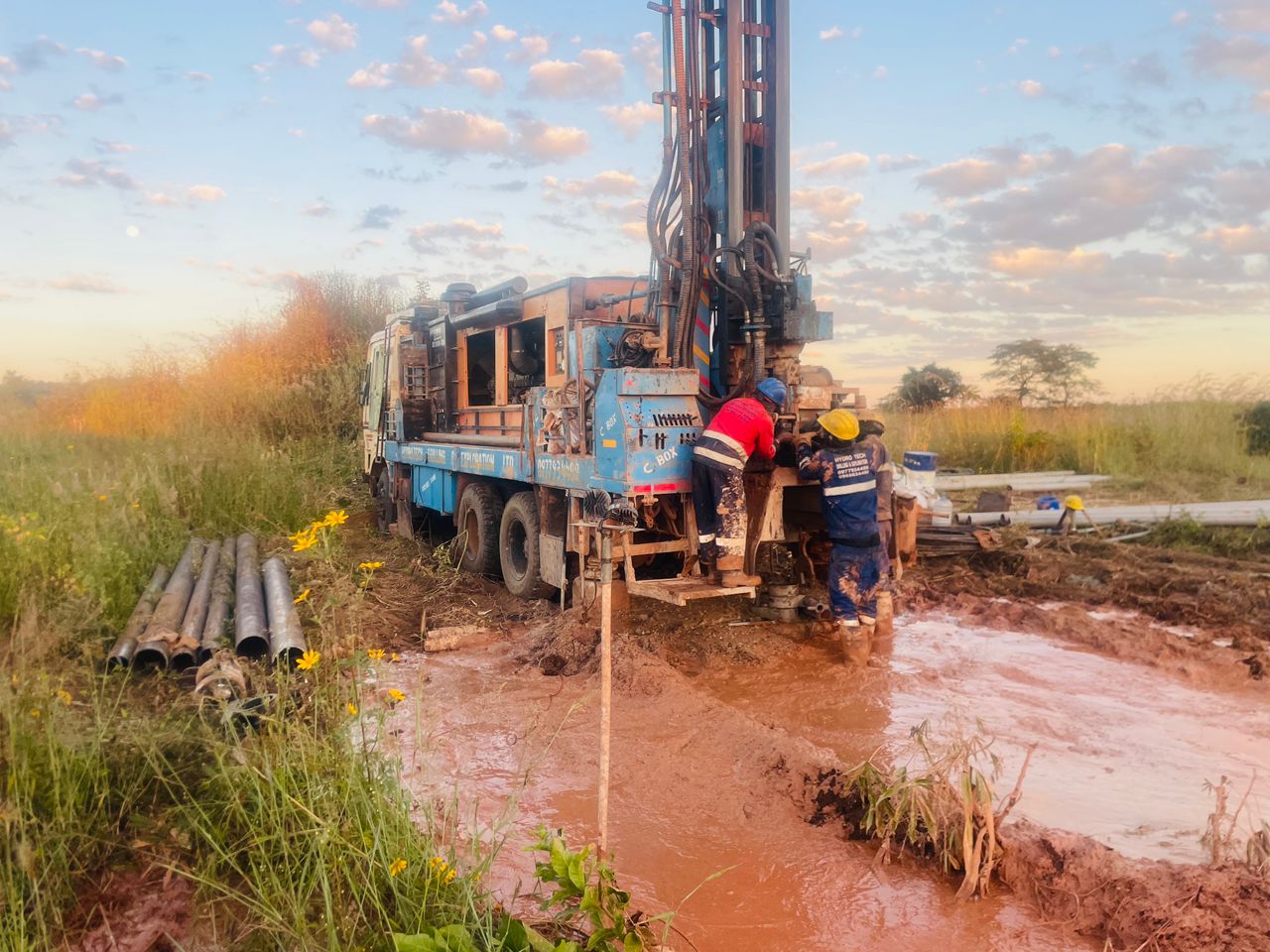
Hydrogeological Survey and Exploratory Drilling for Wellfield Development in Kalulushi District (VEI/NKANA WSC)
VEI and Nkana Water and Sanitation Company Limited (Nkana WSC) collaborate in a Water Operator Partnership (WOP) called WaterWorX. Nkana WSC requested VEI to contract and finance the required consultancy services for Kalulushi as part of the existing WOP. Aquaquest was selected to provide the required hydrogeological consultancy services for wellfield identification, hydrogeological surveys and drilling of exploratory boreholes to Nkana WSC. Following a successful siting campaign on two priority wellfield sites, three high yielding (≥6 l/s) pilot holes were drilled under the supervision of Aquaquest. Two of the three pilot holes were test pumped under the supervision of Aquaquest.
The activities by Aquaquest during the Project were as follows: i. Desk Study, site visit and reconnaissance survey. Preparation of Desk Study report. ii. Geophysical field surveys of 2 selected potential wellfield areas iii. Preparation of detailed and comprehensive Hydrogeological & Geophysical Investigation report iv. Preparation of tender documents for exploratory drilling and development of production boreholes v. Drilling supervision vi. Capacity building of NWSC staff
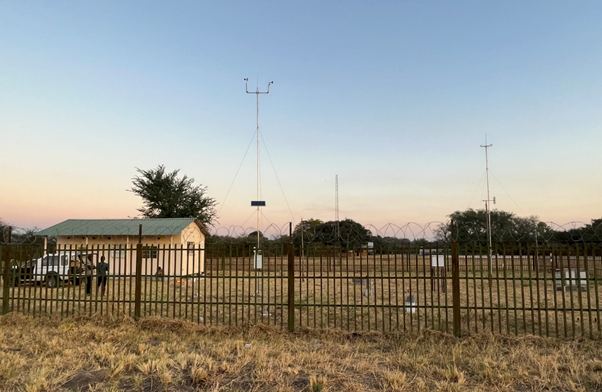
Installation of 58 Weather Stations in Southern, Northern, Western and Luapula Provinces (Campbell Scientific and ZMD)
In 2019, the Government of Zambia and the World Bank initiated the “Transforming Landscapes for Resilience and Development” (TRALARD) Project, aimed at supporting the sustainable use of natural resources for livelihoods. One sub-component of TRALARD supports efforts to strengthen the collection and analysis of climate and hydro-meteorological information. Zambia’s existing meteorological network is relatively poor and consists of a mixture of manual and automatic weather stations, with a highly uneven coverage over national territory.
Given that Zambia’s climate is highly variable in space and time, and considering the adverse impacts of climatic change, a more comprehensive and denser network for the collection of meteorological data will provide extremely valuable insights. While enabling accurate spatial climate monitoring, the enhanced AWS coverage will also substantially strengthen weather forecasting in support of Zambian livelihoods, agriculture and water supply.
Campbell Scientific Africa (Pty) Ltd (the “Supplier”) was contracted by Zambia Meteorological Department (ZMD) for the “Supply, Delivery and Installation of 120 Automatic Weather Stations”. Aquaquest was retained by Campbell Scientific to install 58 of the total 120 weather stations in Southern, Western, Northern and Luapula Provinces.
This project aims at the installation of automated weather stations (AWS) across Zambia to support the collection of climate data, and to monitor and predict changing weather patterns within the country. The stations are essential for predicting and monitoring climate change within Zambia. ZMD staff were trained in the installation and operation of the AWS. Many of the weather stations were installed at schools, where they can also act as a learning tool on weather and climate for the students.
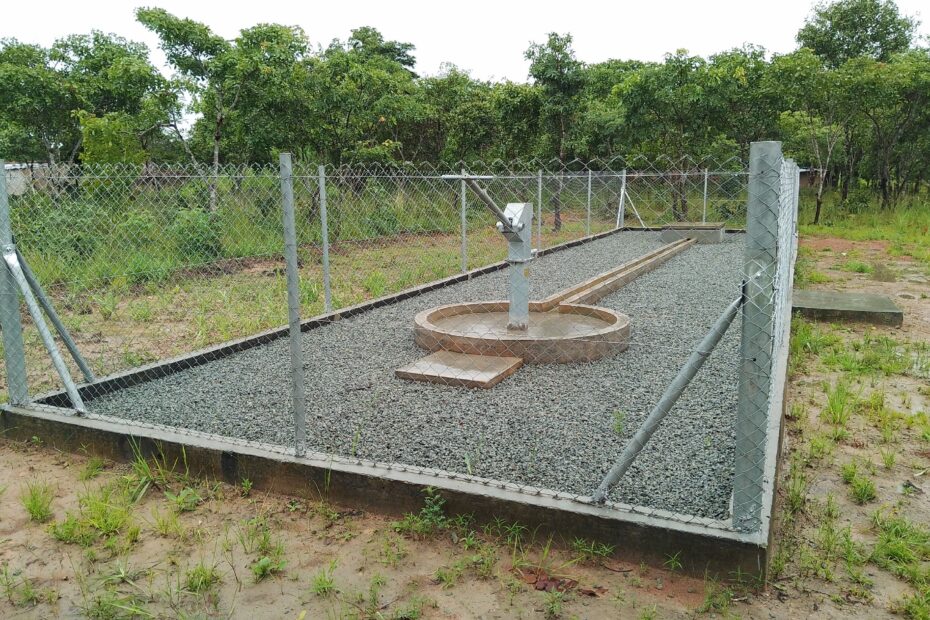
Scaling Up Nutrition – Technical Assistant Borehole Development in 13 Districts (DAI Global/Rankin Engineering)
Aquaquest was retained by DAI Global, through Rankin Engineering as Project Consultant to conduct hydrogeo-logical assessments, geophysical surveys, supervision of drilling contractors and supervision of civil works for 300 new hand pump boreholes and a solar water scheme in 13 districts in 4 provinces of Zambia. The project is part of the Scaling Up Nutrition – Technical Assistance (SUN TA) Project, which supports the Government of Zambia’s Scaling Up Nutrition (SUN 2.0) Programme, whose aim is to reduce malnutrition among young children. Improv-ing the water supply situation in poor rural communities through the development of access to basic water supply services from improved sources is an important part of this project.
Capacity development was a key component of the SUN TA project to ensure sustained access to services. In this regard, the A&E firm developed the capacity of communities, District and Village WASH committee members and pump menders in the operation and maintenance of the new handpump boreholes and piped water scheme.
Through Aquaquest’s supervision, the quality of the works of by contractors was improved, resulting in the development of cost effective, sustainable water supply boreholes. For all 4 provinces and 13 districts, detailed hydrogeological studies were conducted to improve knowledge on the local aquifers, which ranged from low-yielding clayey deposits and compact Basement rocks to high yielding cavernous limestones and fracture quartzites.
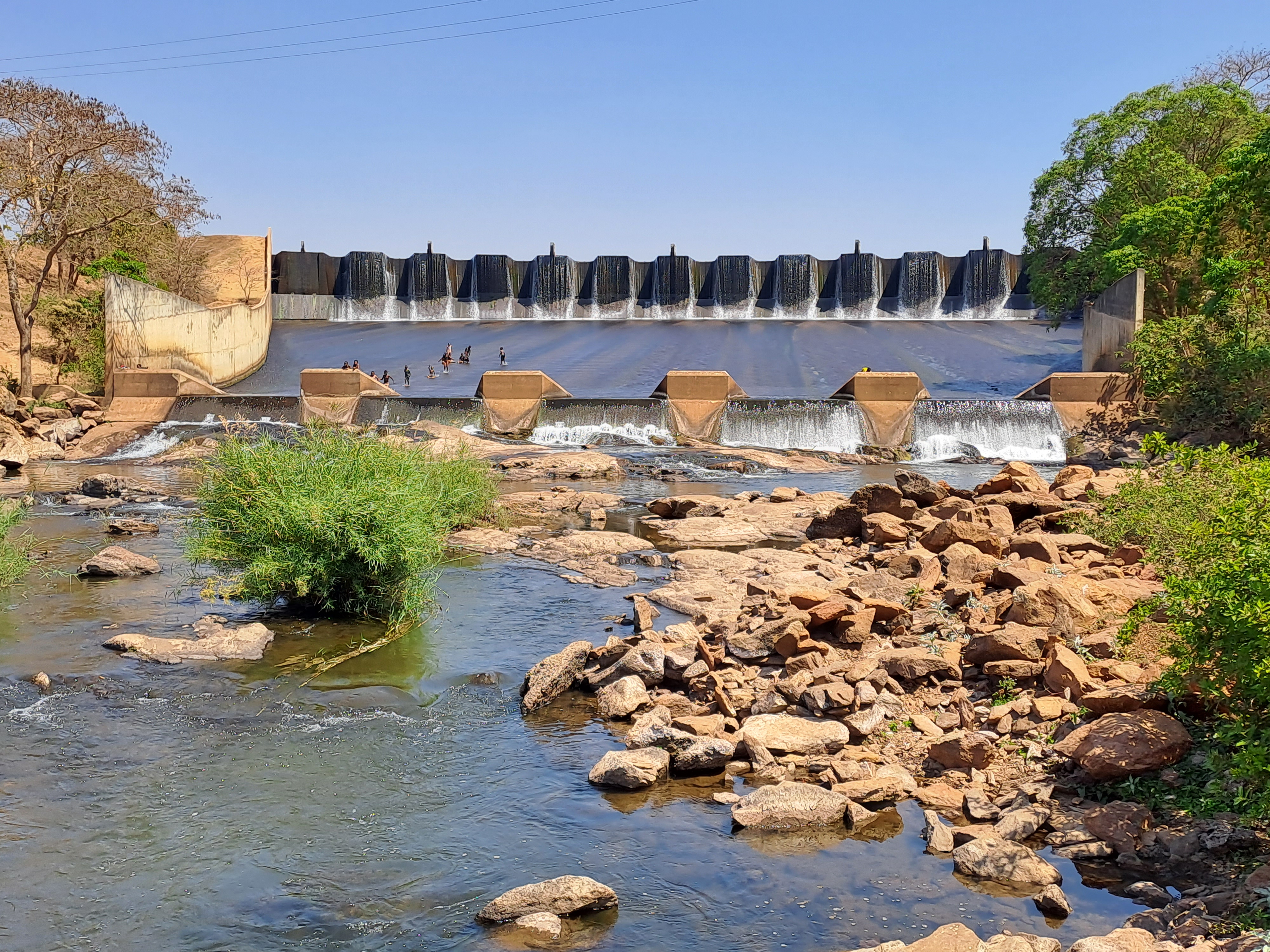
Independent Review/Assessment of the Impact of Graphite Mining on Lilongwe Water Board’s Raw Water Source
Aquaquest was retained by the Lilongwe Water Board (LWB) to conduct an independent Review & Assessment of the Impact of the proposed Malingunde Graphite Mining Project, located near Kamuzu Dam I and II, the main source of raw water supply for Lilongwe City. The existing ESIA, prepared by the Mining Developer over a period of 6 years, was critically reviewed. Expert reports included in the ESIA were assessed to investigate whether comprehensive mitigation measures for the protection of the raw water quality had been provided.
Appropriate conclusions were developed to assist LWB in making informed decisions to ensure the safety, sustainability, and acceptable quality of the future raw water supply for Lilongwe. Recommendations were proposed to LWB and other Project Stakeholders, among others, on the proximity of the mining site, location of processing plant and Tailing Storage Facility to the raw water source, as well as the depth of excavation, and enhanced measures of mitigation to protect the source against pollution, environmental degradation and other risks.
Gender Assessments in the Target Districts of the IRCP (Road Development Agency)
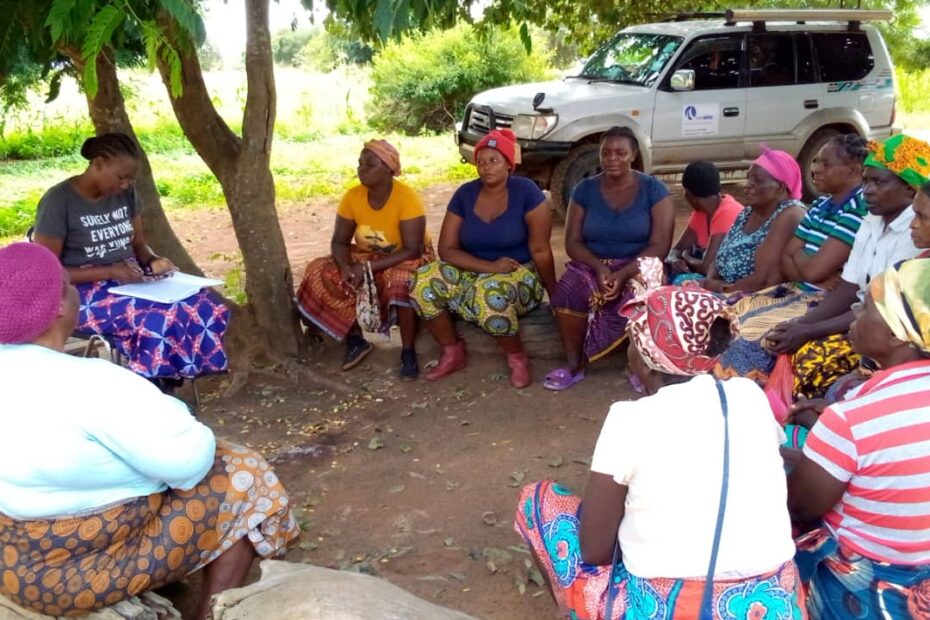
Aquaquest was retained by the Zambian Road Development Agency (RDA) to conduct a gender assessment, develop a gender mainstreaming strategy and plan, as well as a gender and citizen engagement toolkit. The assessment was part of the World Bank-funded Integrated Rural Connectivity Project (IRCP), a USD 200M Project aimed at the upgrading of roads in rural areas of Zambia. Two teams of gender experts conducted the gender survey in 44 districts in all 10 provinces of Zambia. Stakeholder meetings, focus group discussions and key informant interviews with the communities were conducted to acquire the necessary information.
The resulting data was processed, analysed and summarized in a final gender assessment report. A gender strategy was developed, based on the findings. Information and feedback from stakeholders was then analysed and used to develop a gender and citizen engagement toolkit, for the roll-out of gender training and capacity development of RDA staff, Contractors engaged in the IRCP, District authorities and Community representatives
Magoye Dam Assessment (Netherlands Enterprise Agency - RVO)
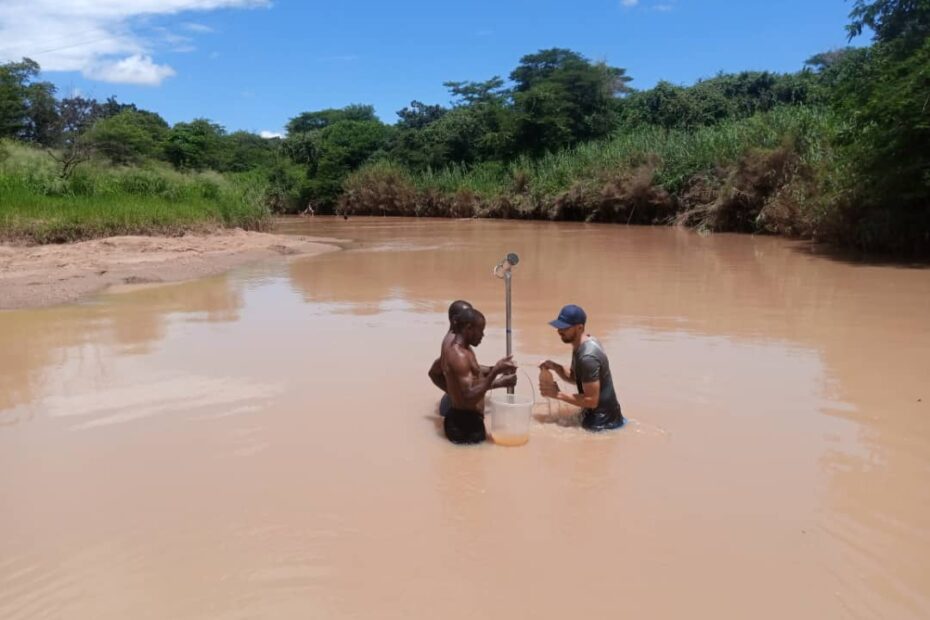
Acacia Water and Aquaquest were approached by the Netherlands Enterprise Agency (RVO) to conduct a feasibility study for a proposed water reservoir south of Magoye. The water reservoir is planned to support the development of a commercial Stevia farm, with an out grower scheme of smallholder farmers. Aquaquest staff conducted field observations, infiltration measurements, soil sampling and a topographic survey using a DGPS. Based on the data collected, an associated dam expert confirmed suitability/feasibility of specific sites.
Preliminary design parameters for the reservoir, an initial BoQ and cost estimate were prepared from this data. The flooded area was determined and available water for farming was determined taking into account upstream and downstream users, as well as environmental flows.
Feasibility Study for Proposed Expansion of Sub-surface Drip Irrigation at Kaleya Farm
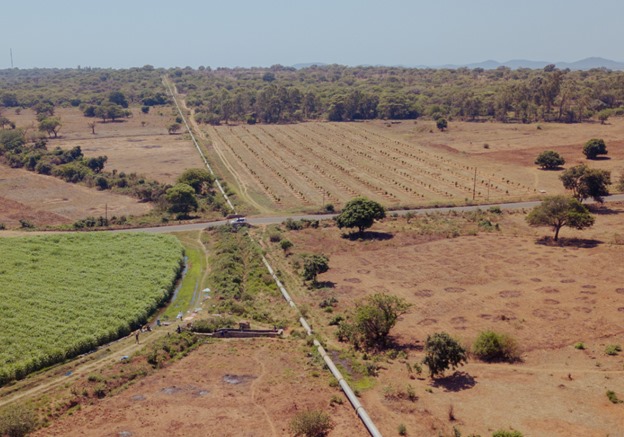
Kaleya Smallholders Company Limited (KASCOL) is a 2,500 ha sugarcane farm that irrigates their sugarcane using furrow irrigation. This method of irrigation is very inefficient, and consumes a relatively large amount of water, which is pumped from the already stressed Kafue River. The Dutch Fund for Climate Development provided KASCOL with a grant to conduct a study to convert the furrow irrigation to more efficient drip-irrigation. Aquaquest was engaged to conduct the technical study, which also included a return-on-investment analysis to determine the financial viability of the project and the most suitable project scenario.
A combination of SDI development, combined (existing) surface water and (newly developed) groundwater supply, and solar power was considered the most suitable technologically and financially viable option. The study included a detailed assessment of the available surface and groundwater potential, and a geophysical survey, followed by a successful exploratory borehole drilling programme.
Installation of 20 Automated Weather Stations (ZMD)
The UNDP-funded ‘Strengthening Climate Resilience of Smallholder Farmers in Agro-Ecological Regions I and II in Zambia’ project supports the Government of Zambia to strengthen the capacity of farmers to plan for climate risks that threaten to derail development gains, promote climate resilient agricultural production and diversification practices to improve food security and income generation, improve access to markets, and foster the commercialization climate-resilient agricultural commodities.
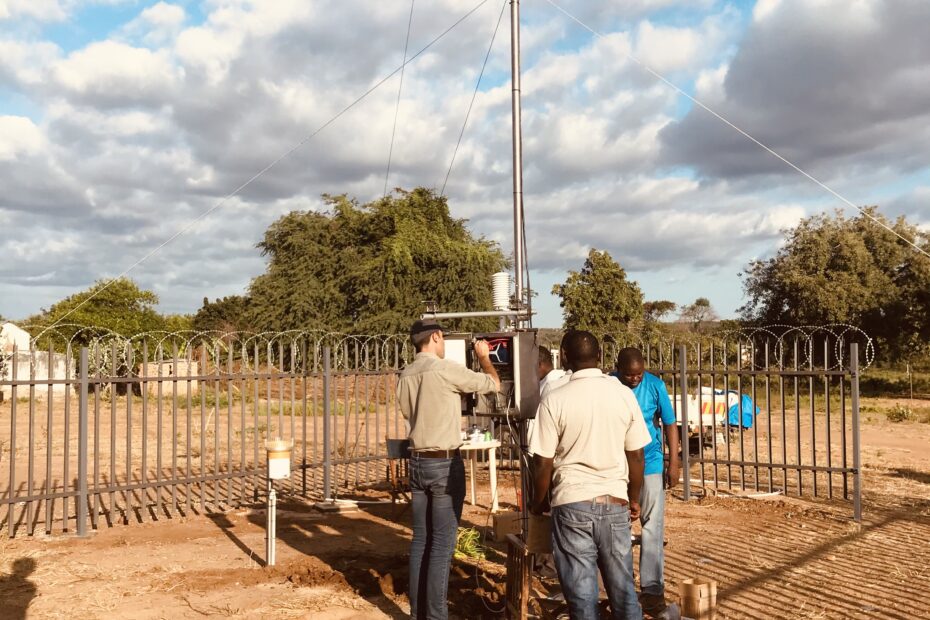
Part of the project is to improve climate forecasting, monitoring of climatic change and enhanced preparedness through the installation of 20 automated weather stations (AWS). Aquaquest, as sub-contractor of Campbell Scientific, assisted with the installation and configuration of the 20 AWS and actively liaised with the Zambia Meteorological Department and international suppliers to ensure the project was implemented timely. Furthermore, ZMD staff were trained in the installation and operation of the AWS.
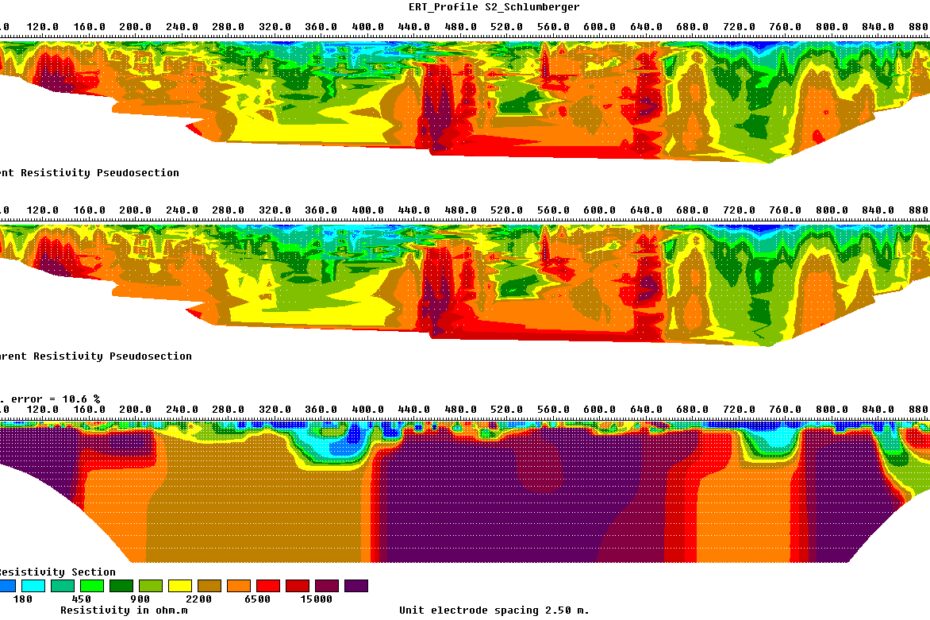
Lusaka West Aquifer Mapping using Geophysics (BGR)
A 2D ERT geophysical survey was conducted to map part of the aquifer in Lusaka-West, to determine suitable sites for drilling in a designated wellfield area in Lusaka-West. The purpose of the survey was to gain a better understanding of the structural geology and identify weathered zone and cavities within the Lusaka dolomite formation. The work was executed for the Federal Institute for Geosciences and Natural Resources (BGR) in support of Lusaka Water and Sewerage Company (LWSC). Before the start of the survey, a training workshop was organized for LWSC and BGR staff on the application of ERT technology in groundwater assessment and aquifer mapping.
The investigated area has been designated as a potential wellfield to supply water to the Industrial area of Lusaka city, Zambia. Locations with the apparent highest potential for groundwater abstraction were identified and from this information, 16 suitable drilling sites were selected and ranked according to their estimated groundwater potential in the eastern and western survey areas.
WASH Baseline Survey (UNICEF)
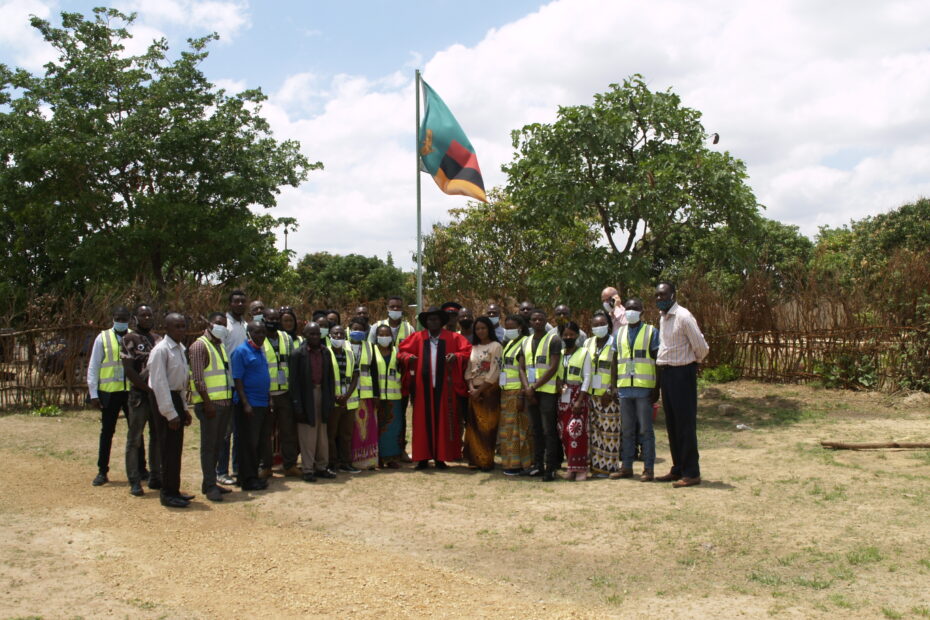
Aquaquest conducted a WASH Baseline study for UNICEF. The main objective of the study was to provide baseline information to establish the current status and coverage of WASH services in the six target districts of Luapula Province (i.e. Chiengi, Chifunabuli, Kawambwa, Lunga, Mwansabombwe and Mwense).
The work consisted of a household survey, water point inventory, WASH-assessments at health centres and schools, and various stakeholder interviews and focus group discussions.
In total, 2,874 households in 47 villages were sampled, selected through a systematic random sampling method with calculated sampling intervals. Furthermore, 57 schools, 27 health centers were sampled, 47 water surveys and 45 sanitation surveys were carried out, and 180 hand pump water points and sanitation facilities were assessed in the areas where the above household surveys were conducted. The Baseline Study report presents the key findings of the baseline study, which was undertaken during October and November 2020.
Hydrological Assessment 5 Earth Dams (NIRAS-IP Consult GmbH and GIZ)
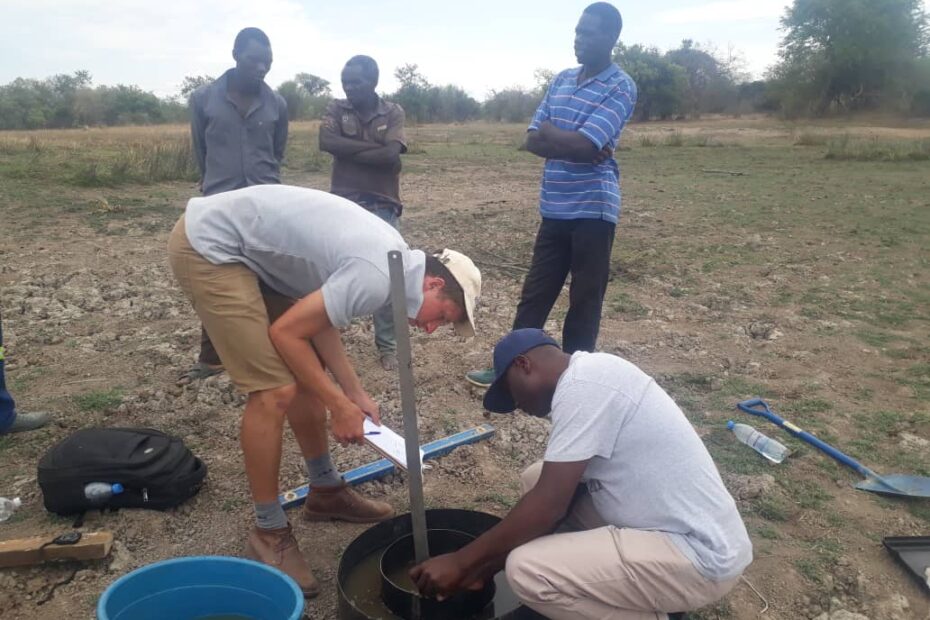
Aquaquest Ltd. was subcontracted by NIRAS-IP Consult GmbH to carry out hydrological assessments for five existing earth dams in Southern Province of Zambia. The study was part of the AWARE (Accelerating Water and Agricultural Resources Efficiency) project, funded by GIZ. The AWARE project intends to rehabilitate and improve selected earth dams and establish integrated demonstration sites, where smallholders can be trained on the efficient use of water resources as an adaptation measure to climate change. The objective of the study is to carry out detailed situational analysis of the earth dams including hydrological and hydrogeological assessments of the respective catchment areas. The 5 earth dams were earmarked as potential demonstration sites within the AWARE Programme area.
The assessment included a hydro(geo-)logical characterization of the dams, the reservoir sites, and their upstream catchments. In addition, ESIAs were carried out for the proposed improvement and enhancement works at each of the 5 dam sites.
Bathymetric Survey of the Kafue River (Southern Waters Ecological Research and Consultancy)
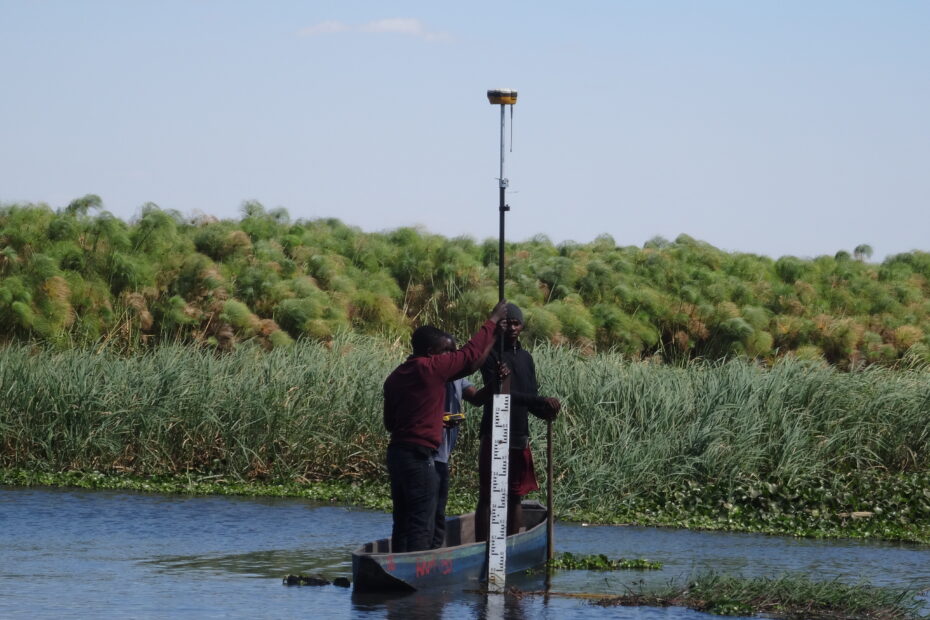
Aquaquest was retained by Southern Waters Ecological Research and Consultancy of South Africa to conduct a bathymetric survey of a stretch of the Kafue river and adjacent lagoons in the Kafue flats. The project involved a survey team to travel by boat across a 200 km stretch of river, using a sonar and DGPS to determine depth of the river, its tributaries and lagoons. The information collected was part of a hydrological modelling study to gain insight in the hydrology of the Kafue flats, a protected wetland area.
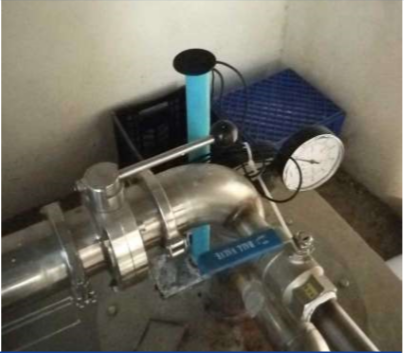
Groundwater Monitoring at a Bottling plant in Lusaka (CCBA)
Aquaquest supplied and installed a number of divers at the Coca Cola bottling plant in Lusaka in order to monitor the drawdown in the production wells. The monitoring data was collected by Aquaquest over a fixed period of time atier which the staff at the plant was trained to collect the data from the divers. The collected data was used to indentify interference between the different boreholes and to optimize the operation of the pumps within the production wells.
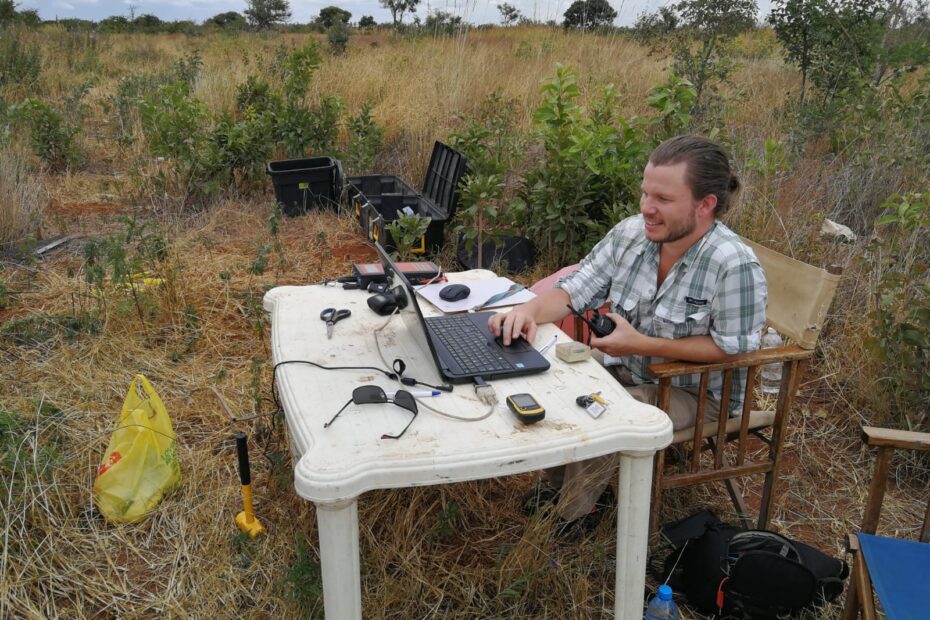
Hydrogeological Investigations for a bottling factory, Lusaka
Aquaquest conducted a hydrogeological assessment for a bottling plant in Lusaka, on behalf of an international brewing company. The initial feasibility study aimed at the identification of suitable locations for setting up a large-scale bottling plant, predominantly from a water supply perspective. Following a desk study and evaluation of potential sites for the planned development, a geophysical survey using Electrical Resistivity Tomography (ERT) was conducted at selected locations at the MFEZ. This area is underlain by Lusaka dolomite, which supports discontinuous but locally high-yielding aquifers in cavity systems and related karts features.
Subsequently, a successful exploratory drilling and test pumping program was executed to determine sustainable groundwater use. Part of the study also included looking at the feasibility of discharging treated wastewater from the plant directly into the ground. As Lusaka does not have many natural perennial streams or a fully developed sewerage system, groundwater infiltration is often the only possible option for discharge of wastewater.
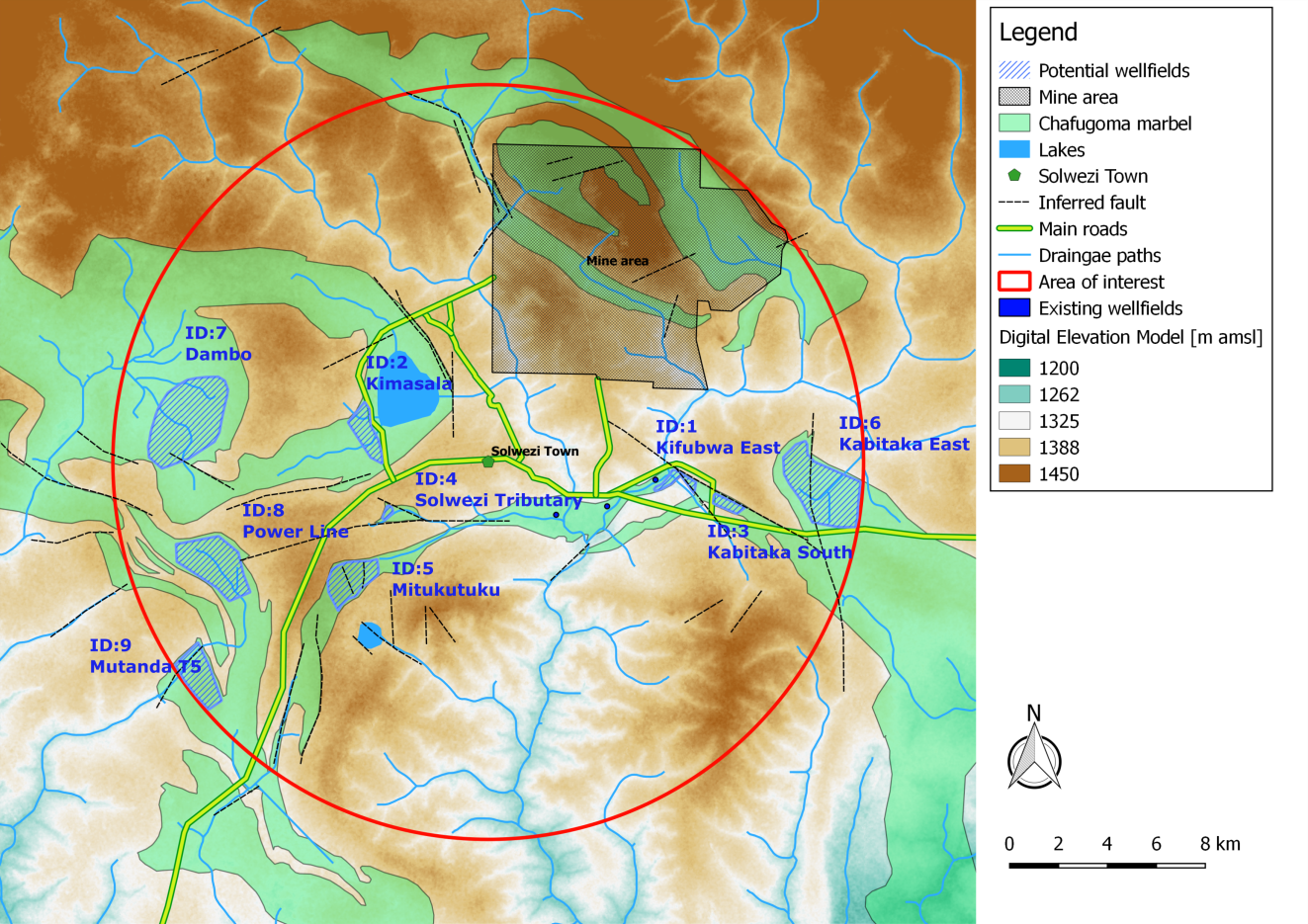
Groundwater Assessment for future expansion of Solwezi Urban Water Supply System (NWWSSC)
Aquaquest conducted desk studies, data collection field investigations and groundwater modelling for the assessment of available groundwater resources that could be used for future water supply development for Solwezi Town. This included the selection of the most suitable future wellfield areas, exploratory drilling and test pumping, modelling of various water abstraction scenarios and wellfield configurations, and future wellfield design.
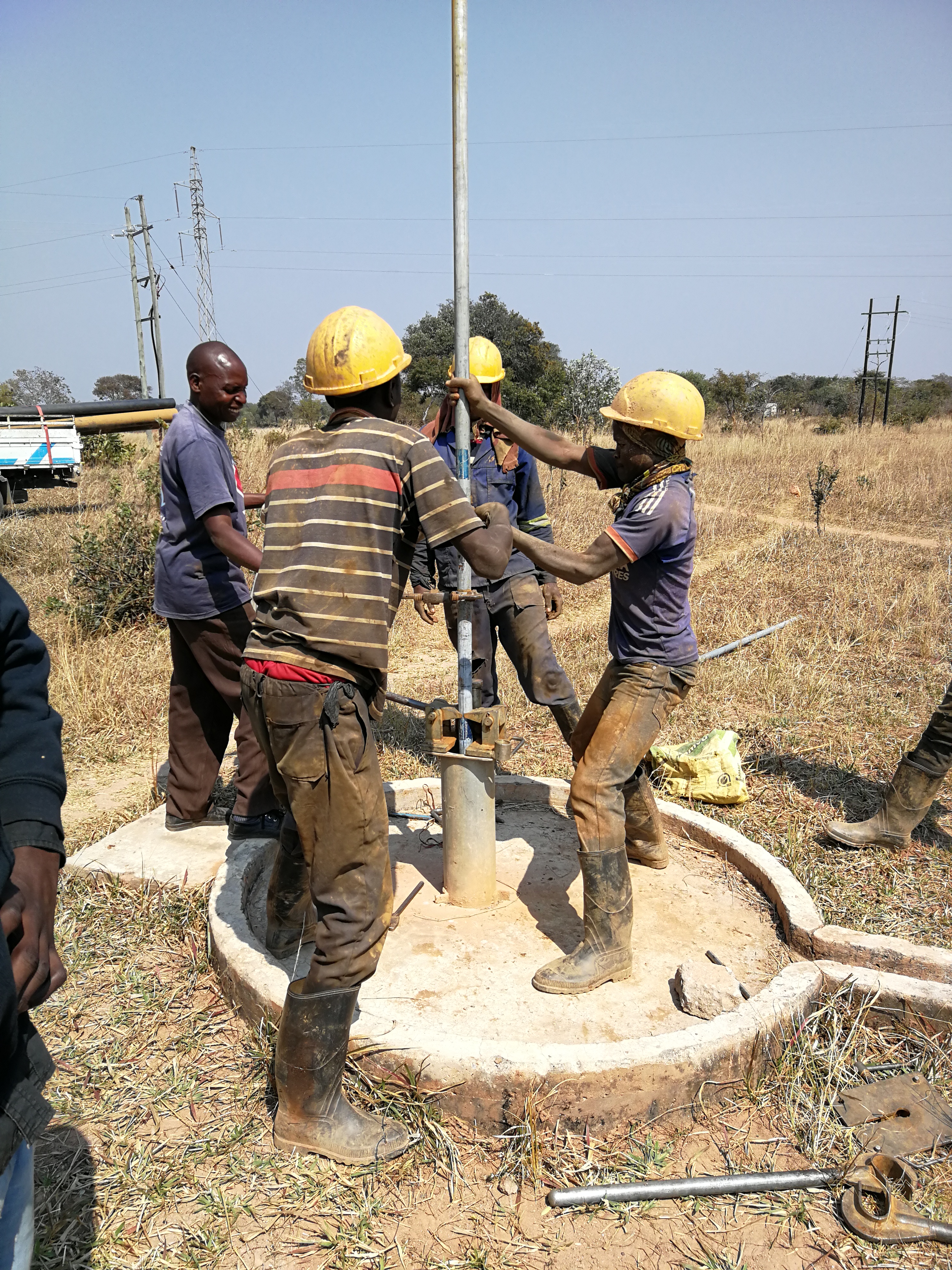
Domestic Water Supply Project Masuku
Aquaquest carried out a water demand study to identify the water needs at Masuku mission. Additionally the old reticulation system was mapped. Groundwater was identified as the most suitable source of water through a hydrological assessment. Subsequently, Aquaquest located areas of high groundwater potential and supervised a drilling program. Together with the local community and all the involved stakeholders a new water reticulation system was designed. The system includes three solar pumps, three water towers and 60 stand taps.
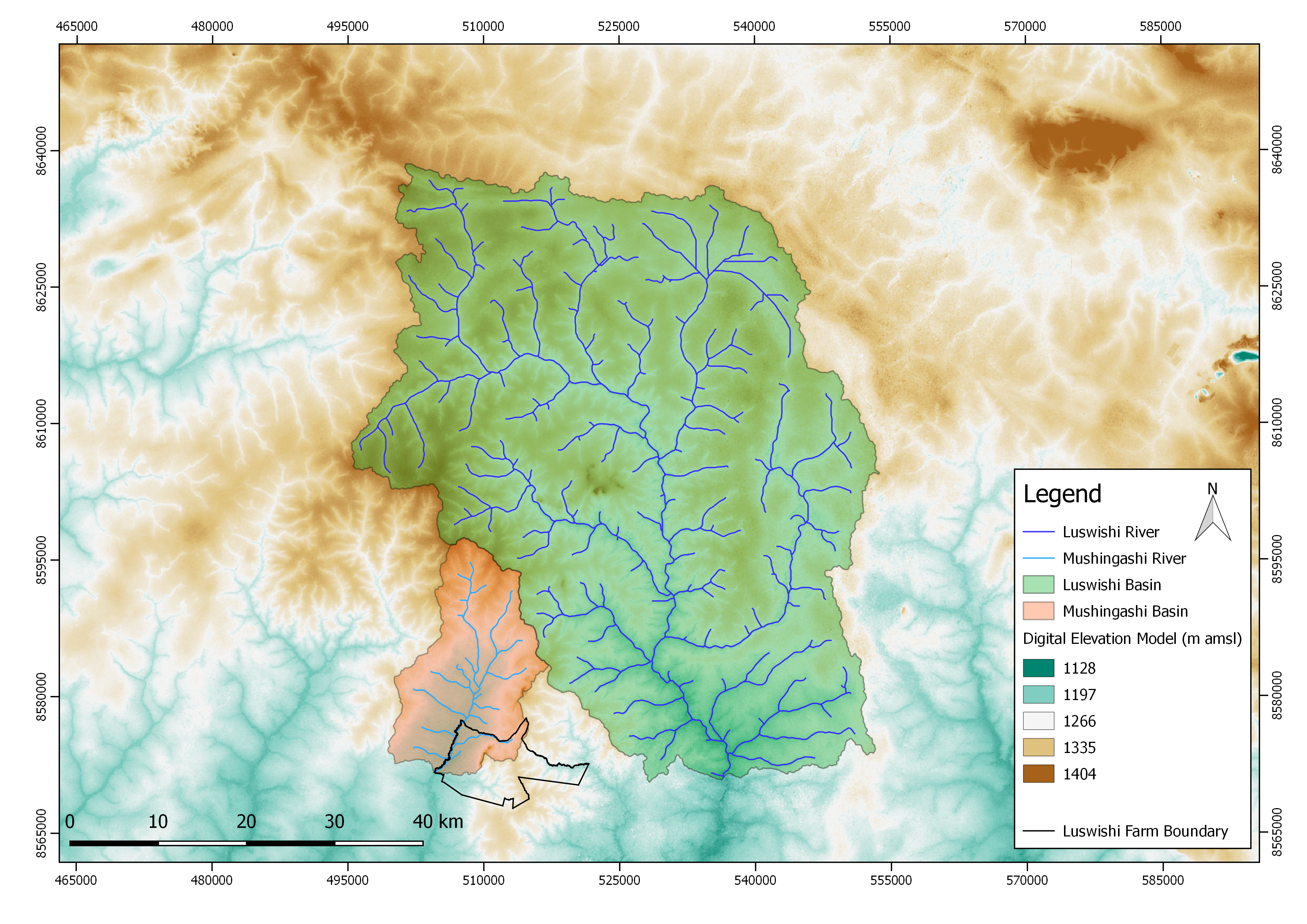
Mushingashi Hydrological Assessment
Aquaquest caried out a hydrological assessment for the Mushingashi Farm Development in Lufwanyama. The hydrological investigations were used to analyse the feasibility of a proposed, relatively large earth dam. Specifically, the study determined its suitability to supply sufficient water for future irrigation requirements and related water needs within the study area. The results of the hydrological survey assisted in the review of the available alternatives for surface water storage, and selection between the different options.
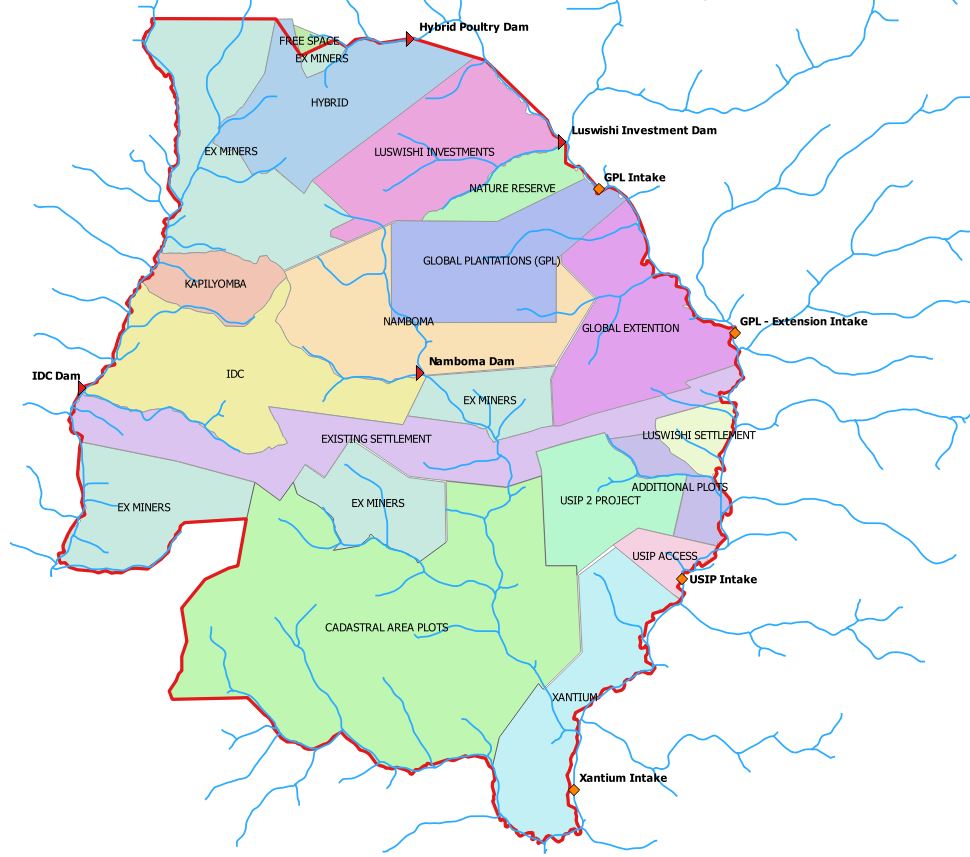
Lushwishi Farm Block Development (MOA)
Aquaquest conducted a water supply feasibility study for the 100,000 hectares Luswishi Farm Block Development. Various farming activities will be planned and different water supply systems need to be developed to meet the various demands. Aquaquest also hosted the project office for the international consultants that collaborate on the project and facilitates local project management.
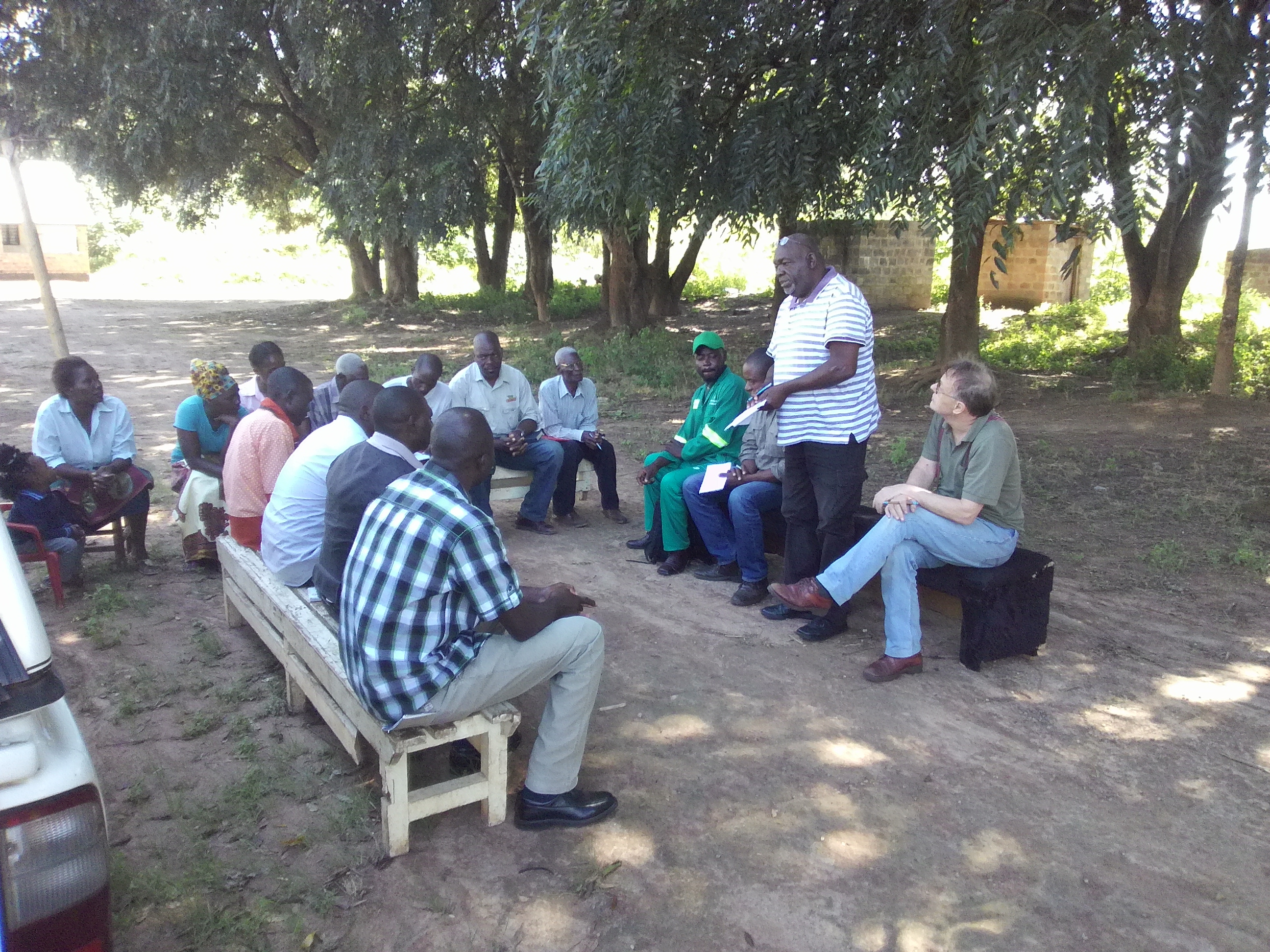
Upscaling Smallholder irrigation project (MOA)
Aquaquest conducted feasibility studies for 25 locations across Zambia to identify water potential for irrigation. The aim of the project is for local farmers to form companies and start commercial farms, which they will both own and work on. Aquaquest also hosted the project office for the international consultants that collaborate on the project and facilitated local project management, as well as logistics.
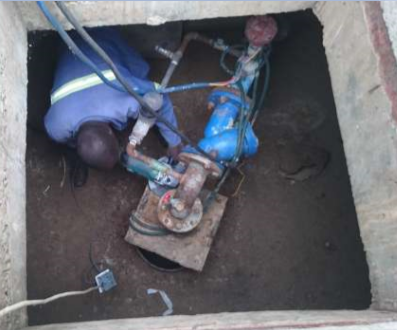
Borehole interference testing at Arcades Shopping Mall
Aquaquest has provided independent consultancy to analyze possible interference of two boreholes belonging to a shopping mall and a water supply utility company. Monitoring equipment was supplied and installed in both boreholes and independent pumping tests were performed to determine the hydrogeological parameters of the aquifer. The conclusions derived from the monitoring data were used in the legal case between the two parties.
Groundwater Resource Potential Assessment at a Seed Farm in Kafue
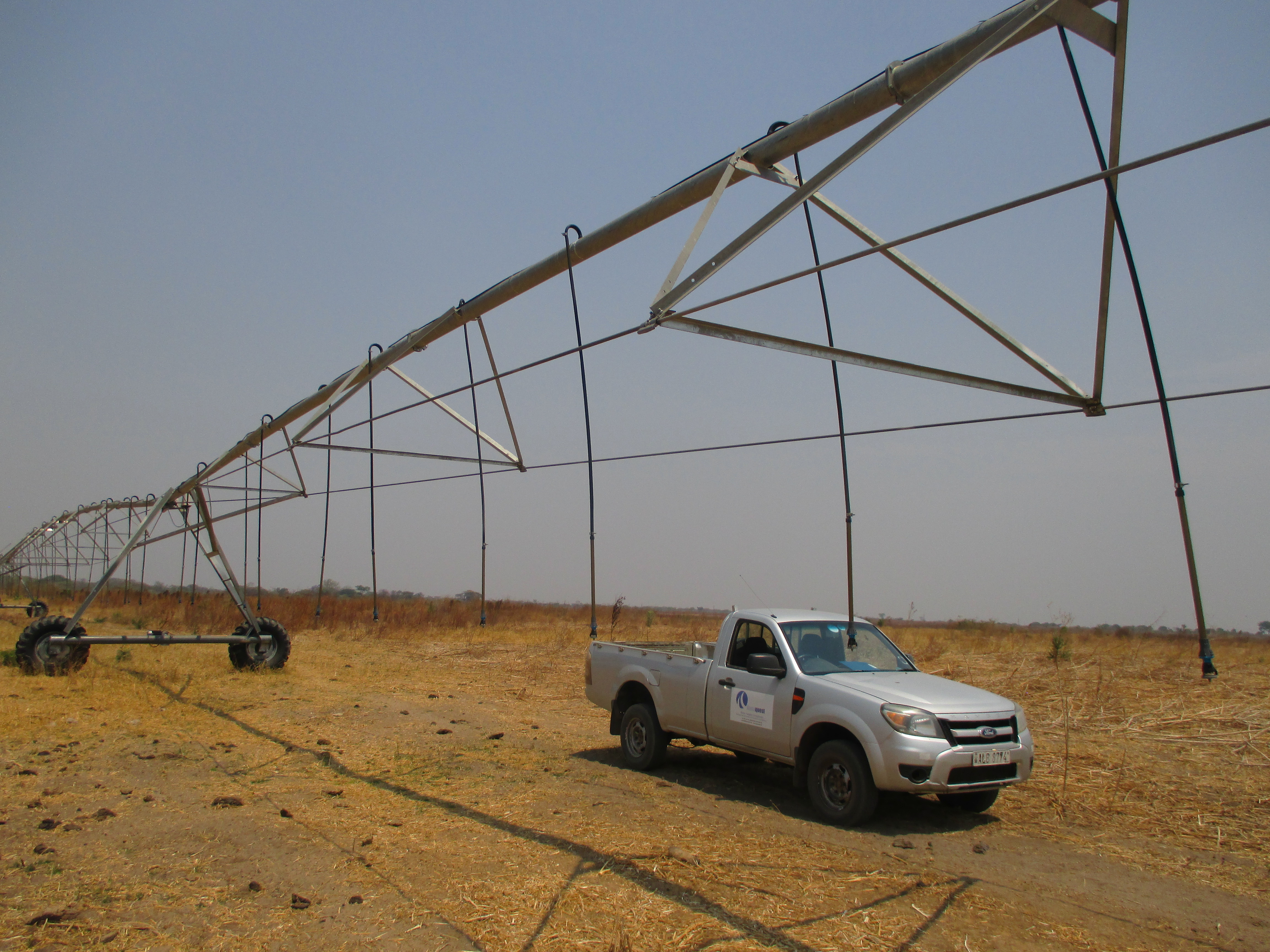
Aquaquest undertook a preliminary assessment to determine if it is feasible for the seed farm to increase the area under irrigation from 250 hectares to 1000 hectares. A desk study was conducted where all relevant available data was collected and analyzed. With the help of watershed delineation and a number of theoretical methodologies an estimate of the volume of yearly renewable groundwater was made.
Surface and groundwater assessment for Macadamia plantations in Thyolo, Malawi
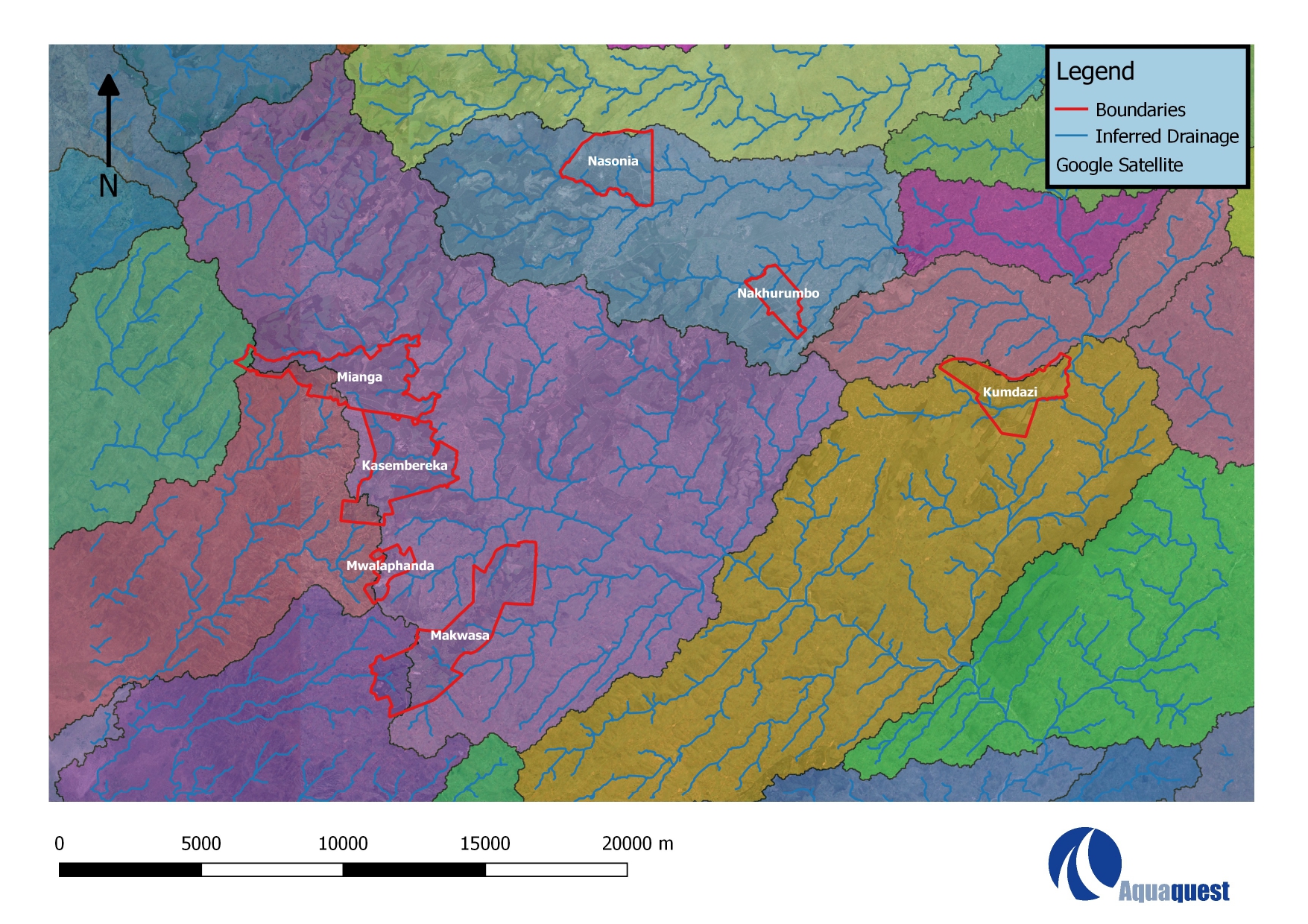
Aquaquest undertook a water resource assessment for 7 macadamia plantations in Malawi to assess the potential for dam construction and the collection of surface water in addition to the potential for groundwater development. The work included a desk-based study using readily available data and satellite imagery to perform a preliminary assessment of the local potential for surface and groundwater supply.
Groundwater monitoring at WANGWA commercial farm in Chisamba
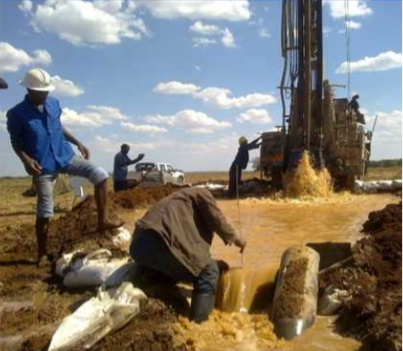
Aquaquest developed a Groundwater Management Information System for monitoring the available groundwater resources. Groundwater was being used extensively for crop irrigation and an integrated fish farming project. Both programs required an assessment of the regional water system and monthly monitoring of groundwater levels, water quality and meteorological data. Annually, a report is made to track the development of the water resources.
Hydrogeological Assessment and Drilling Supervision at a 1000 hectare Farm Estate (CFO)
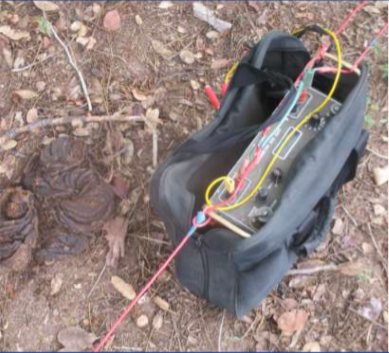
Aquaquest conducted a hydrogeological survey on a 1,000 hectare farm. Review of the available relevant data and resistivity methods were used to identify areas with high groundwater potential. In total 23 km of profiling was done. Furthermore Vertical Electrical Soundings were performed at 29 locations on the farm. This resulted in 25 potential sites recommended for drilling. Subsequently, a drilling program was supervised for 9 pilot holes of which 2 were developed into production wells.
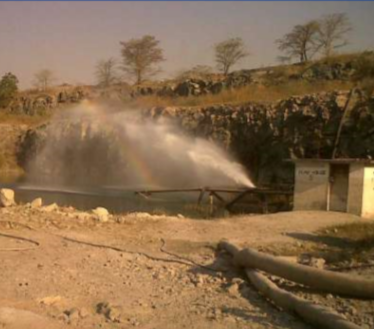
Hydrogeological Assessment to determine the cause of flooding in Ndola Limestone Quarry
Aquaquest conducted a preliminary assessment of the conditions in the quarry through the acquisition and review of all readily accessible relevant background data. It also includes a limited field programme to collect additional data from within the quarry and the immediate surrounding area. The resulting baseline study assists in identifying key missing information required to establish an effective long-term monitoring and water management programme.